Radiology Technician • 2026 Admissions

Become a Radiology Technician (X-ray + CT/MRI Basics)

Learn X-ray positioning, patient handling, and radiation safety. Some institutes offer CT/MRI basics (exposure varies by lab/hospital tie-up). Choose from Certificate/Diploma tracks (often aligned to skill standards) or degree programs under universities/medical institutes (admission rules vary by institute).

Trust note: We do not promise placements. We help you compare and connect to verified institutes.

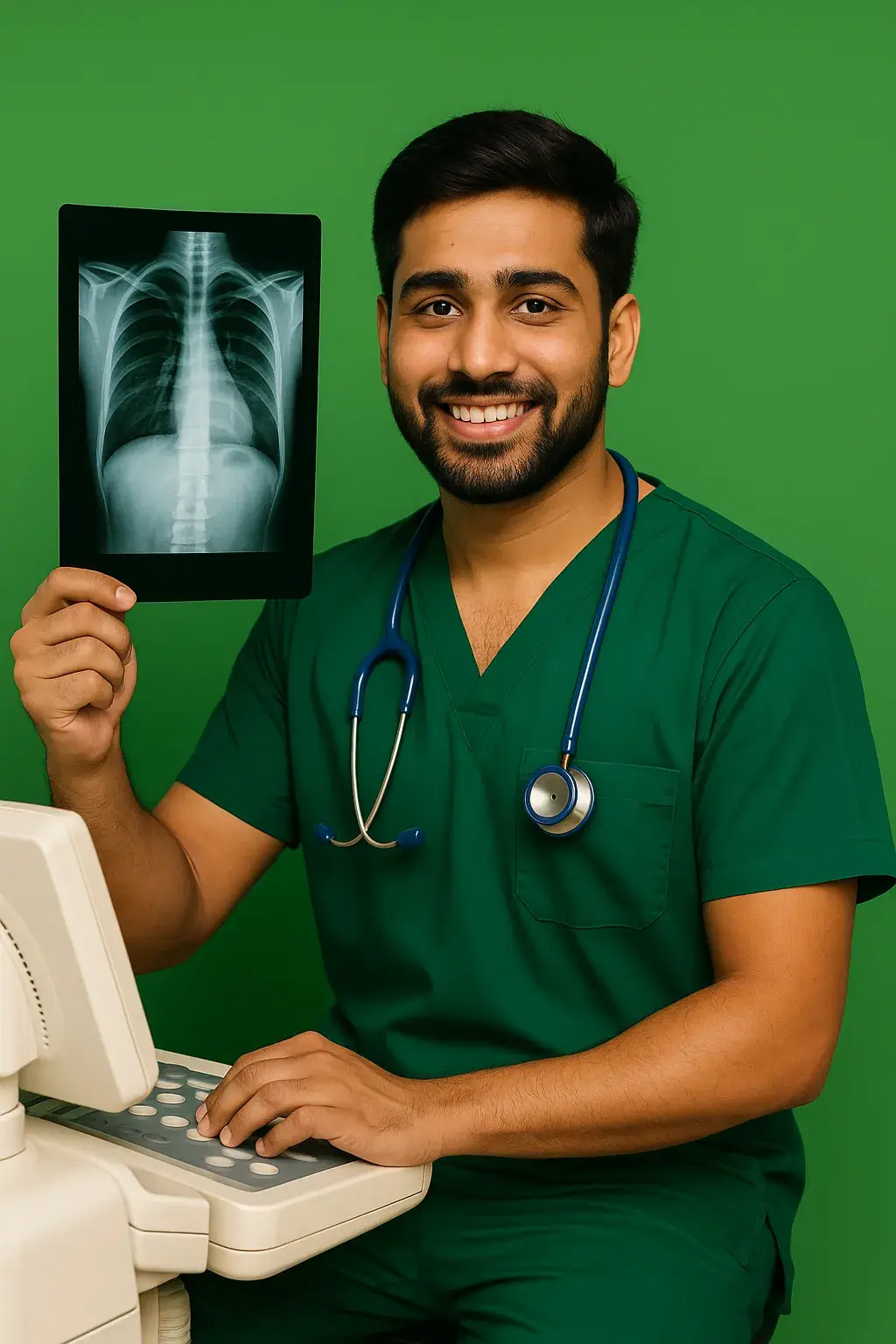
Radiology technician beside an X-ray control console and imaging monitor
Representative image

Why Choose a Radiology Technician Career?

🩻
Critical role in diagnosis

Imaging supports doctors across emergency, OPD and in-patient care.

📈
Growing diagnostics market

Hospitals and diagnostic chains expand imaging services across India.

Safety-first career

Good institutes teach radiation protection, PPE, and safe workflow discipline.

💼
Multiple job settings

Work in hospitals, diagnostic centers, mobile X-ray units, and imaging labs.

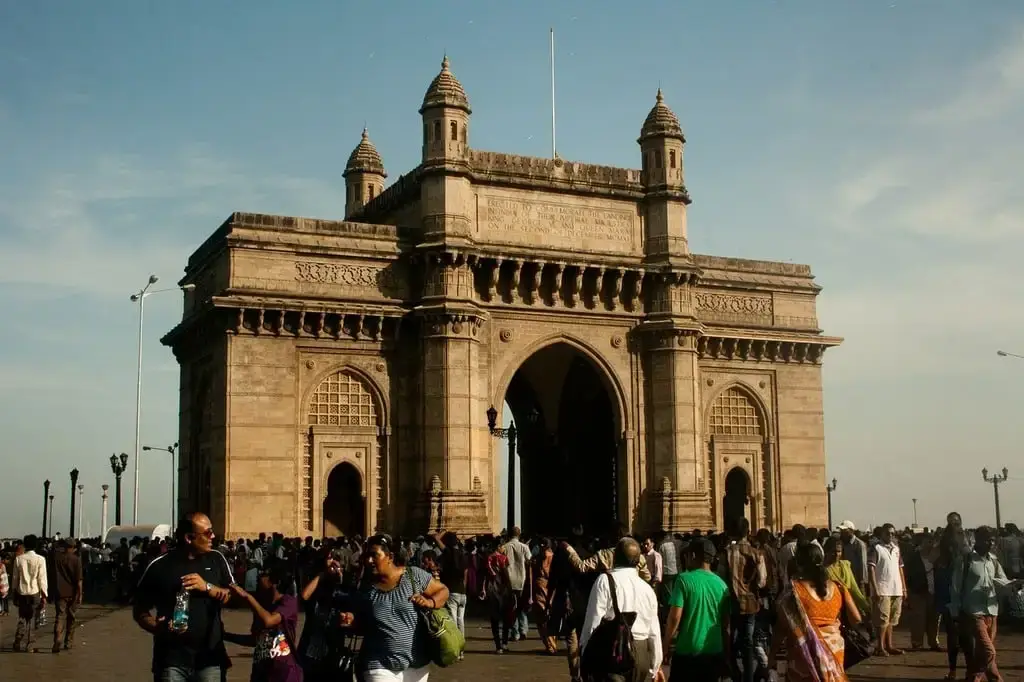
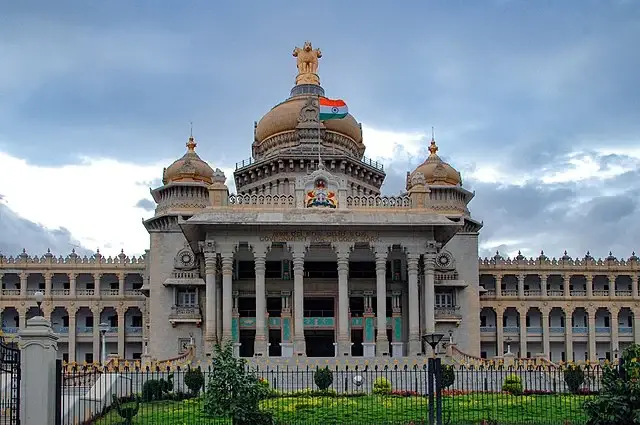
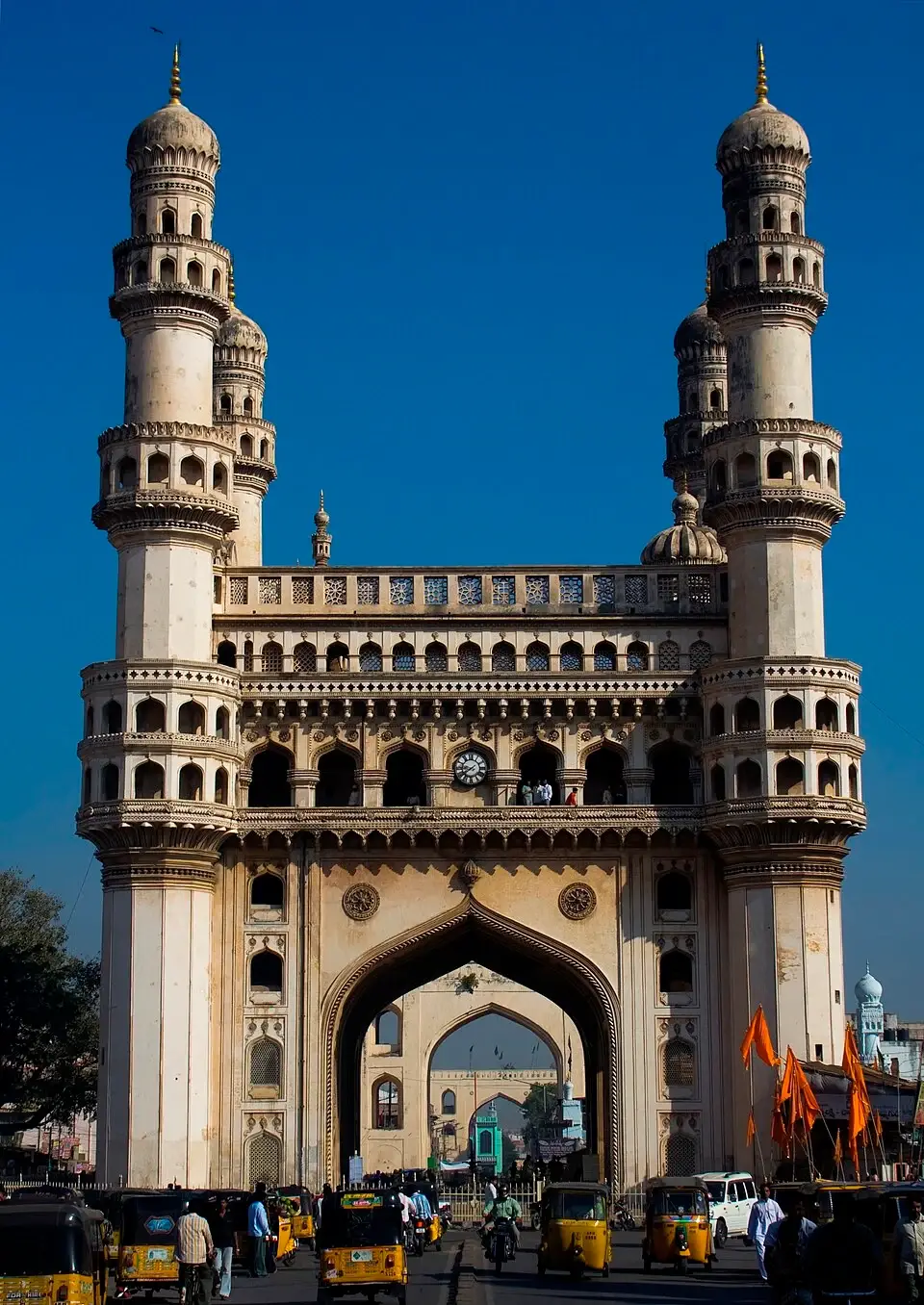
Explore Radiology Technician Courses by City

Can’t find your city? Talk to us — we’ll route you to the nearest partner center.

What is a Radiology Technician Course? Scope, Salary, Institutes & Admission (2026)

A Radiology Technician / Radiographer supports diagnosis by operating imaging equipment like X-ray and (in some setups) assisting with CT/MRI workflow. Training typically covers patient positioning, radiation safety, basic anatomy, image quality basics, and reporting handover process. You can pursue a 6–12 month certificate, a 1–2 year diploma, or a degree program (where available). CT/MRI is often learned as basics first and then via modality-specific exposure—this varies by institute and hospital tie-up. Many skill-track programs map to national occupational standards (e.g., Radiology Technician QP), but you should always verify the institute’s certification and affiliation.

Radiology Technician Salary & Career Path (India)

Career Stage / Role Typical Experience Avg. Monthly Salary ₹
Trainee / Intern 0–6 months (during / post-course) ₹10,000 – ₹16,000
Junior X-Ray Technician 6 m – 2 yrs ₹16,000 – ₹26,000
CT / MRI Technician (Modality Track) 2 – 5 yrs + modality exposure ₹25,000 – ₹45,000
Senior Radiology Technologist 5 – 8 yrs ₹40,000 – ₹60,000
Modality Supervisor / Lead 8 + yrs & team handling ₹55,000 – ₹85,000+

Note (2026): Salaries vary by city, hospital brand, shift allowance, and modality. Entry pay after short certificates can start lower; CT/MRI roles generally pay more once you have real modality exposure and shift readiness.

Top Radiology / Imaging Institutes in India – 2026

These are examples of well-known institutions that run radiology/imaging UG programs. Seat counts, exams, internship structure and fees can change—please verify on the institute’s official prospectus/website before deciding.

Institute Name City Program Duration Affiliation / Body Fees (Indicative)
AIIMS (All India Institute of Medical Sciences) New Delhi Bachelor / B.Sc. track in Medical Radiology & Imaging Technology (as per AIIMS B.Sc. courses) As per AIIMS brochure AIIMS Govt fee (low). Verify current brochure.
Christian Medical College (CMC) Vellore B.Sc. Radiography & Imaging Technology As per CMC prospectus (incl. internship where applicable) CMC / University affiliation as listed in prospectus Verify prospectus for latest fee breakup
St. John’s Medical College (SJMC) Bengaluru B.Sc. Medical Imaging Technology 3+ years (course structure varies) Affiliated to RGUHS (as per SJMC info) Verify latest prospectus/fee sheet
PGIMER (Postgraduate Institute of Medical Education & Research) Chandigarh B.Sc. Medical Radiology & Imaging Technology 3 years + 1 year internship (as listed) PGIMER Govt institute fees; verify
JIPMER (Jawaharlal Institute of Postgraduate Medical Education & Research) Puducherry B.Sc. Medical Radiology & Imaging Technology 4 years (curriculum document available) JIPMER Govt institute fees; verify
Amrita Vishwa Vidyapeetham Multiple campuses B.Sc. Medical Radiology & Imaging Technology / Medical Radiologic Technology As per campus University Private fees vary by campus & scholarship category

Course Completed? Get Hired.

Upload your résumé and we’ll connect you to higher-paying Radiology Technician (X-ray / CT / MRI) roles in NABH hospitals and leading diagnostic chains. Compare salaries before applying.

Radiology technician in scrubs holding a résumé

Radiology Technician Course FAQs (India) — 2026

Quick, practical answers about eligibility, duration, fees, entrance exams, internship/OJT, jobs and what SkillKaJob needs from you to apply. We keep it trust-first: no fake “guaranteed placement” claims.

1) What does a Radiology Technician do?+
A Radiology Technician supports doctors by performing imaging procedures—commonly X-rays—and assisting in imaging workflow. Core responsibilities include patient positioning, safe equipment operation, basic image-quality checks, infection control, and documentation.
2) Is this the same as a Radiographer?+
In India, “Radiology Technician”, “Radiographer”, and “Imaging Technician” are often used interchangeably in job postings. Exact scope depends on the employer and your training level (certificate vs diploma vs degree).
3) Eligibility: Do I need 12th Science?+
  • Degree programs usually prefer/require 12th Science (PCB/PCM as per institute rules).
  • Diploma often prefers 12th Science; some institutes consider other backgrounds based on policy.
  • Certificate options may accept 10th/12th Arts-Commerce at select centers.
Always confirm eligibility on the institute’s brochure.
4) Do students need entrance exams for Radiology?+
Many private certificate/diploma institutes take admission via forms + counselling (no entrance). Some government/medical institutes may require entrance exams and counselling for allied health/paramedical seats.
5) Course duration: Certificate vs Diploma vs Degree?+
Typical ranges:
  • Certificate: 6–12 months
  • Diploma: 1–2 years
  • Degree: varies by institute (often 3–4 years; may include internship)
6) Does the course include CT/MRI?+
Most beginners start with X-ray fundamentals. Some institutes offer CT/MRI basics or exposure during clinical posting. Full CT/MRI readiness typically needs modality-specific training + real lab exposure.
7) Is internship/OJT guaranteed?+
Not always. Some institutes provide structured clinical posting; others offer limited observation or optional internships. SkillKaJob pages should mention internship only when the institute can show: partner hospital/lab name + hours + supervision.
8) What documents will I need to apply through SkillKaJob?+
Most institutes ask for:
  • 10th/12th marksheet (or last qualification)
  • ID proof (Aadhaar/PAN)
  • Passport photo
  • Address proof
  • Sometimes: medical fitness / vaccination status (depends on hospital policy)
We can start with basic details and collect documents during counselling.
9) What are typical job roles after the course?+
Common entry roles: X-ray Technician, Radiography Assistant, Imaging Technician. With experience/exposure: CT Technician, MRI Technician, Modality Lead (role names vary by employer).
10) What salary can I expect in 2026?+
Entry salaries vary widely by city and employer. Typically, X-ray roles start lower and CT/MRI roles pay higher once you have modality exposure. Use the salary table above as a directional range—not a guarantee.
11) Is it safe? What about radiation?+
Yes—if safety rules are followed. Good training emphasizes radiation protection, shielding, PPE, exposure protocols, and safe workflow discipline. Always choose institutes that take safety and supervised practice seriously.
12) How does SkillKaJob “Apply Free” work?+
You apply once and we route your details to relevant partner institutes in your chosen city. They contact you for counselling, batch details, fees, and admission steps. We don’t promise outcomes; we improve matching and transparency.

Scroll to Top